


Elephants & wildlife
How Loita's elephants live, move and are counted, and the pressures they face.
How Loita's elephants live, move and are counted, and the pressures they face.
About 33,000 hectares of indigenous forest on the Loita Hills, held in trust by its community.
Why the Loita Maasai, not outsiders, should shape the forest's future.

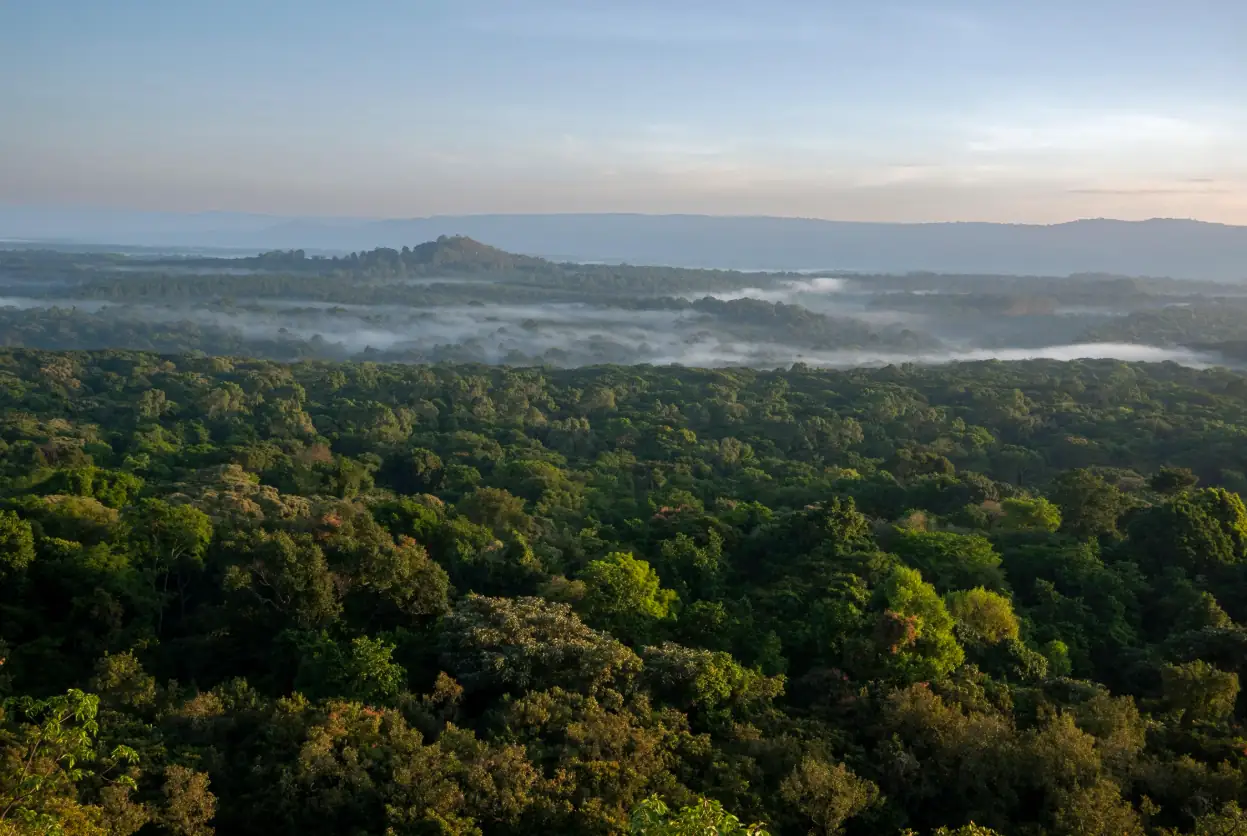
Loita Forest covers roughly 33,000 hectares of the Loita Hills in Narok County, southern Kenya. The Loita Maasai know it as Entim e Naimina Enkiyio, the forest of the lost child.
For generations the community has managed the forest through customary rules rather than government gazettement. That is why it remains one of the most significant indigenous forests in the region, for wildlife and for culture alike.
Discover the forest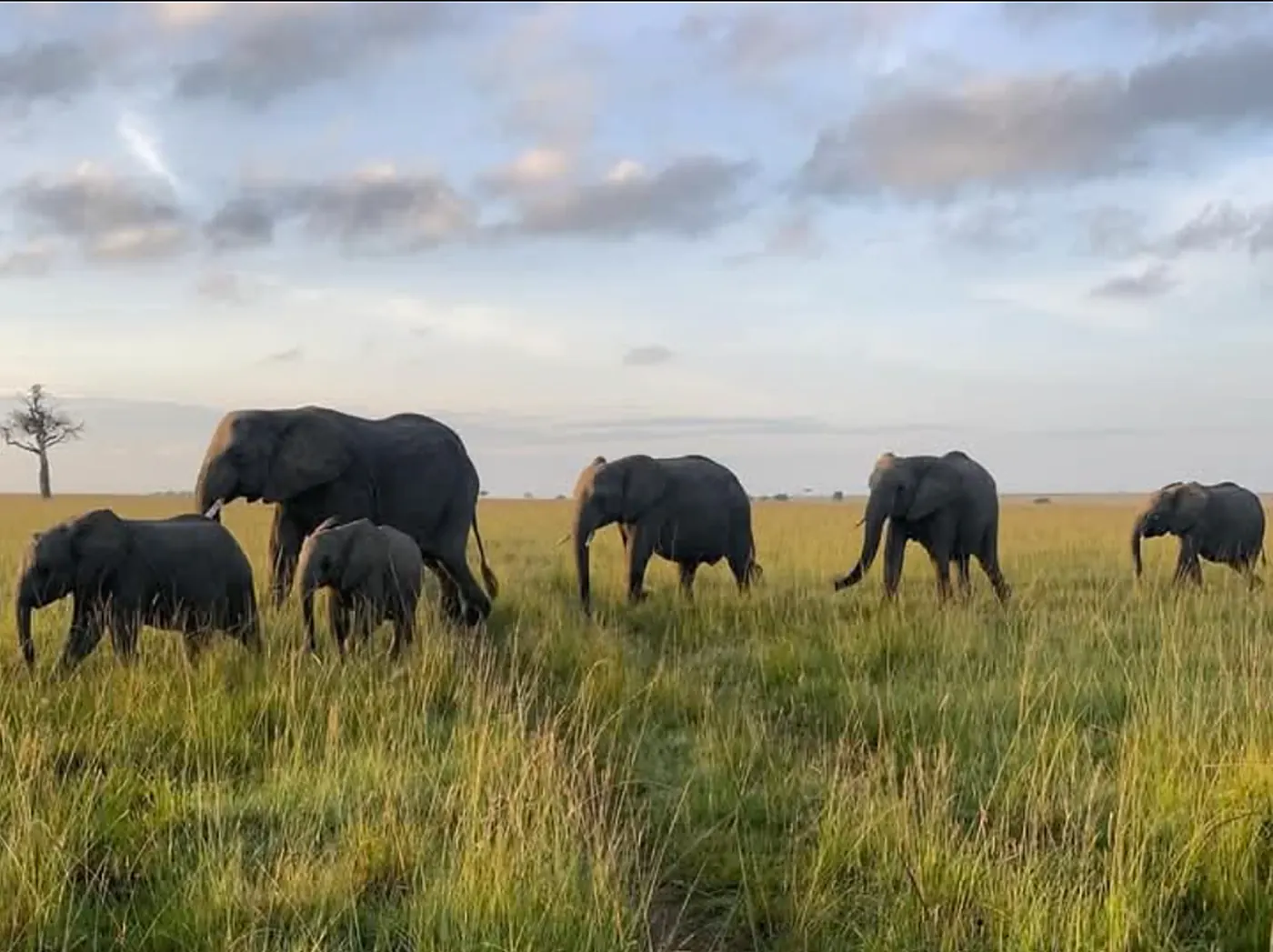
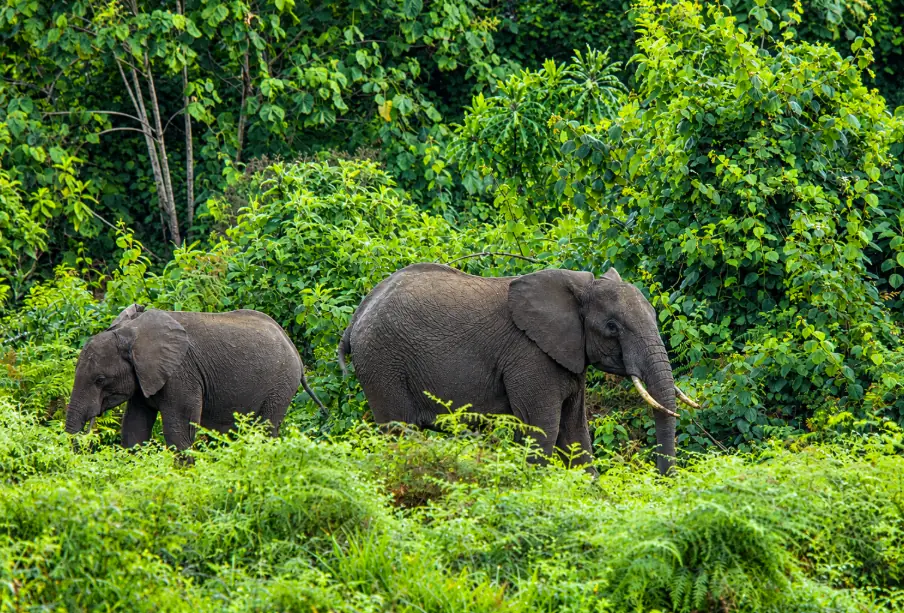
Loita Forest is home to a resident elephant population and sits on routes elephants use to move across the wider landscape.
Elephants are born travellers. An adult can eat well over 100 kilograms of grass, leaves, bark and fruit and drink up to 200 litres of water in a single day, so no one place can feed a herd for long. Family groups walk many kilometres to reach fresh grazing, forest browse, salt licks and permanent water, and their movements shift with the seasons: into the forest’s shade and springs when the plains dry out, and back to open country when the rains return.
Over generations, elephants have worn traditional routes across the landscape, and the matriarchs who lead each family remember them. When fences, farms or settlements block those routes, elephants are pushed onto crops and into conflict with people.
What keeps them safe is habitat in good condition, open passage between feeding and water areas, and people who can live alongside them. Reliable, repeated monitoring tells us whether those conditions are holding.
Learn about the elephants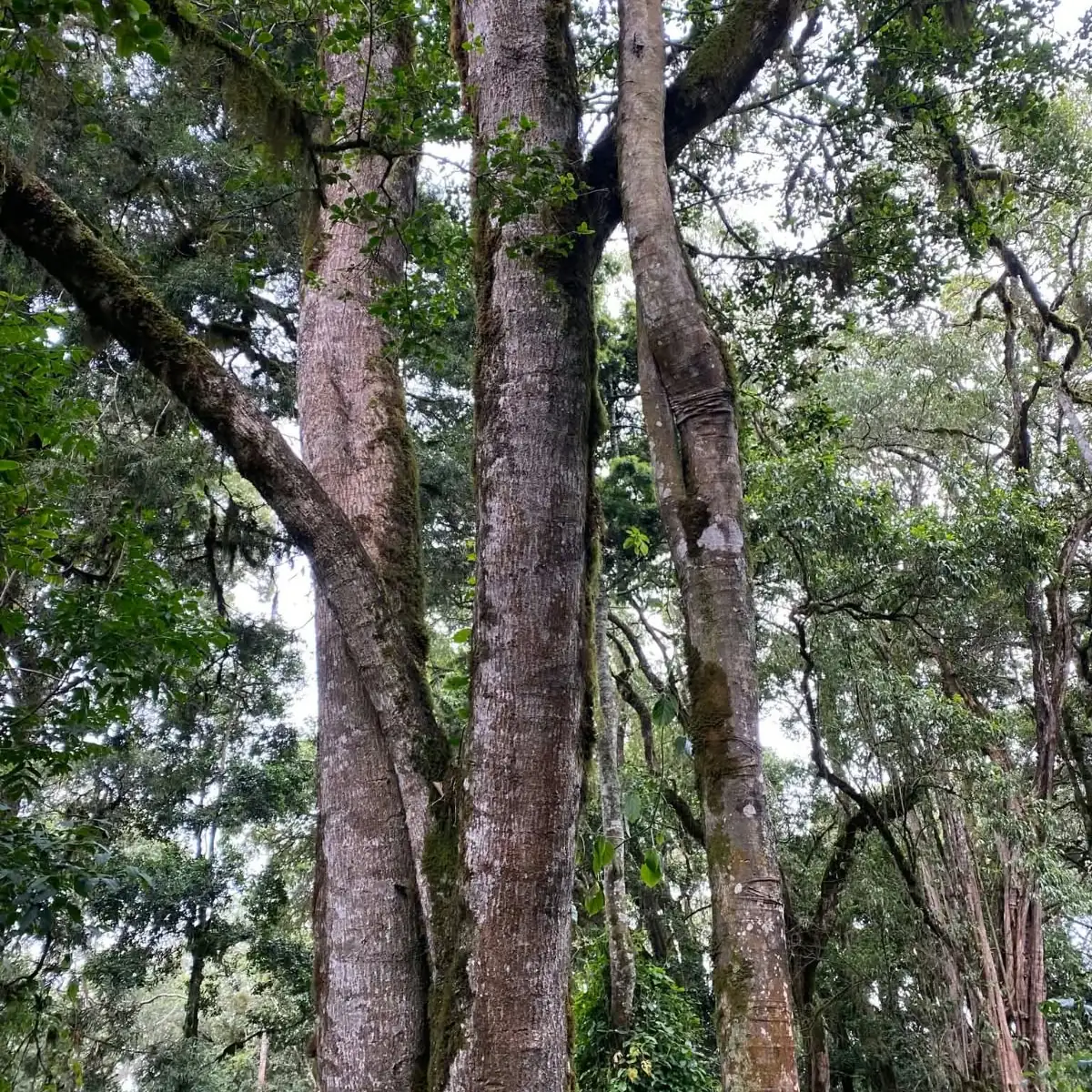
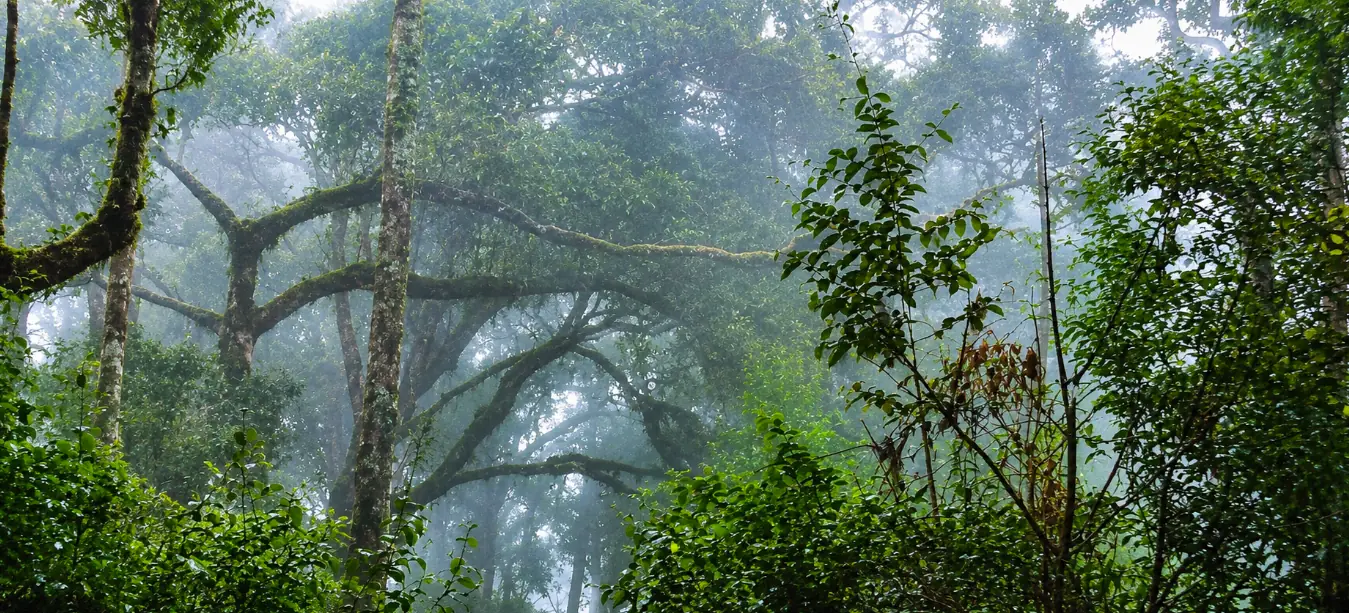
Welcome to Entim e Naimina Enkiyio, where ancient indigenous trees shade springs and streams, hold soil on the slopes and give elephants food and cover. This is the forest we are working to keep standing.
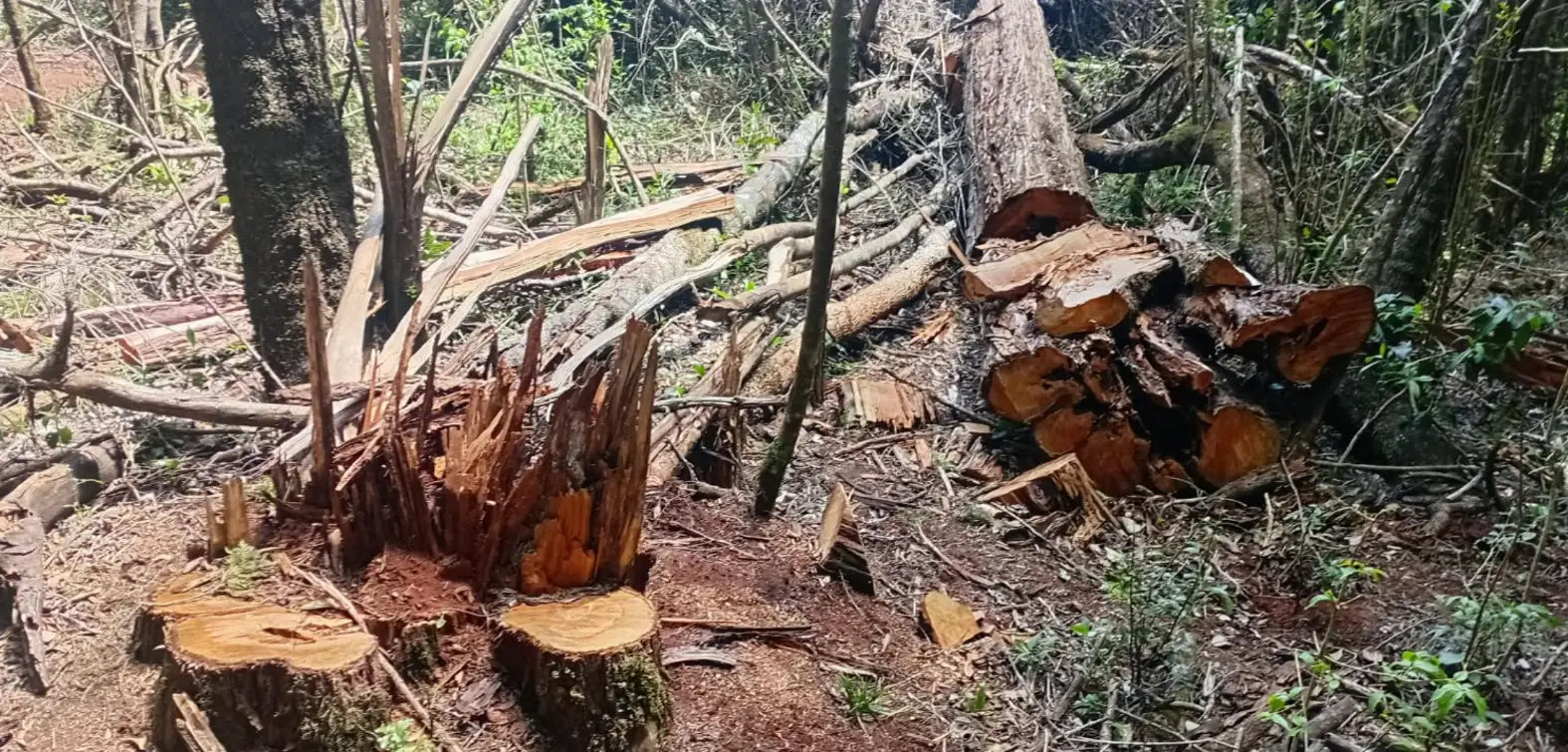
Illegal logging, clearing and charcoal take trees that took generations to grow. Elephants avoid the most disturbed areas.
Protecting the forest itself, because elephants cannot persist without the trees, water and quiet ground they depend on.
Supporting the Loita Maasai in decisions about their forest, building on the knowledge and institutions that have conserved it for generations.
Grounding action in careful monitoring and published research, and reporting honestly on what we know and what we do not.
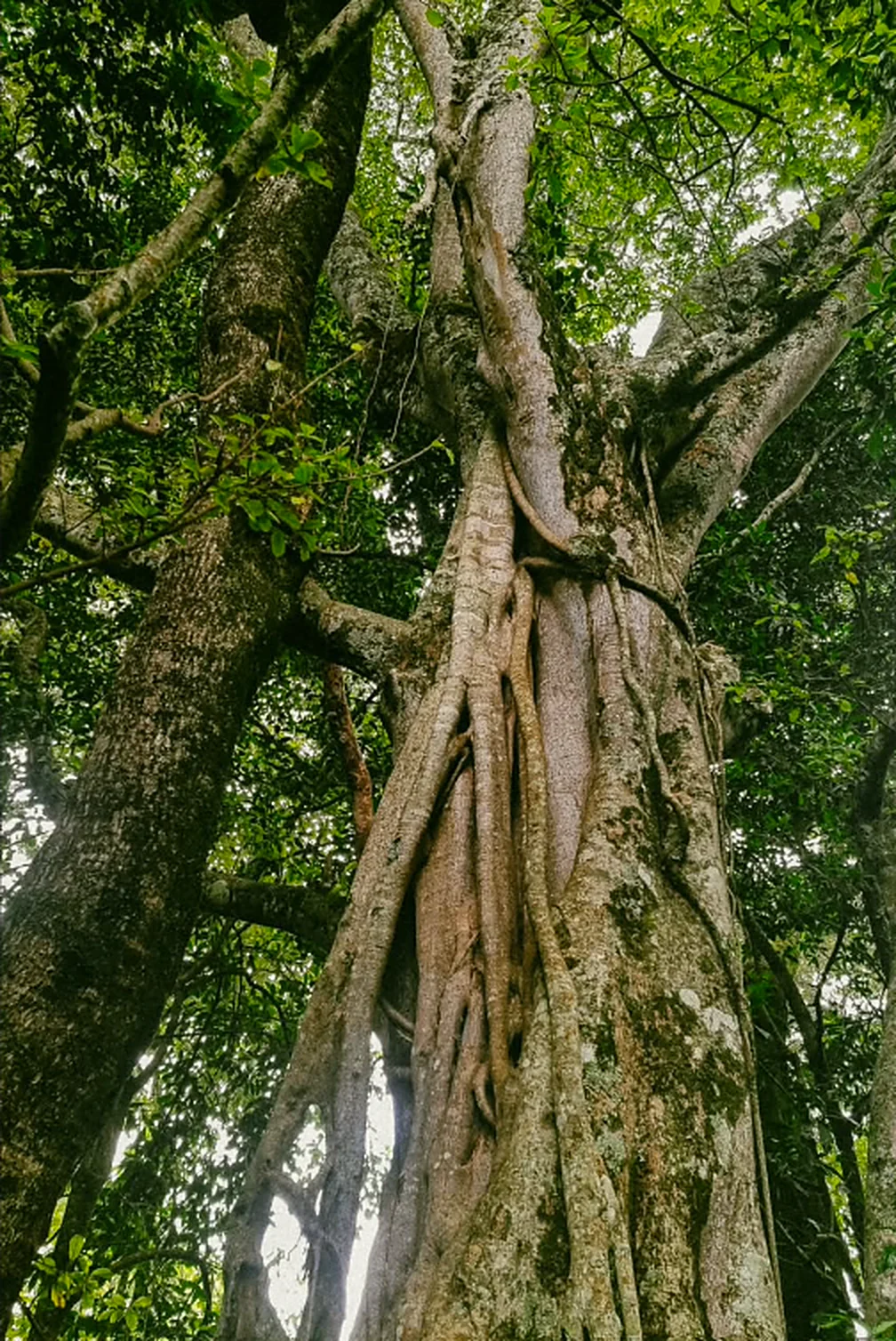
Long before conservation had a name, the Loita Maasai were protecting this forest.
Their knowledge is practical and precise. Elders know which trees heal and which must never be felled, which springs never dry, which glades are held back as grazing for drought years, and which paths elephants have walked for generations. Sacred trees like the fig in this picture are protected by custom, and the rules for using the forest are set and enforced by the community's own elders.
We build on that knowledge rather than replacing it. Elders' understanding of the forest guides where we work, what we restore and how we prevent conflict, and modern tools such as surveys and monitoring add to what they already know. Conservation that respects this knowledge is conservation that lasts.
Read about community conservationA forest held in trust by a community, and why its future is shared.
How you count elephants you can barely see, and how to read the result.
What research on Loita says about who should decide the forest's future.


Whether you are an individual, a school, a research institution or a conservation partner, there is a useful way to help.