The forest's first guardians
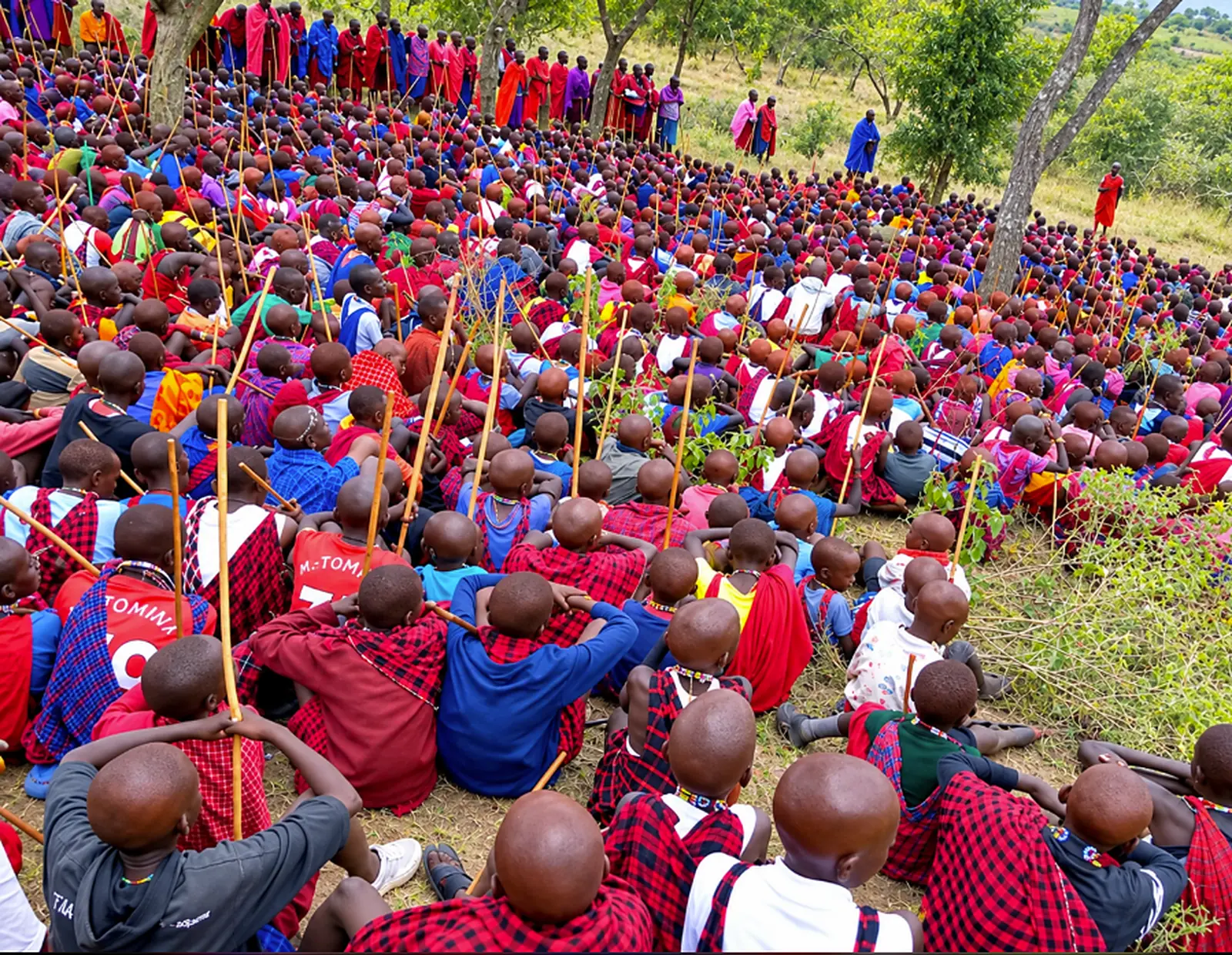
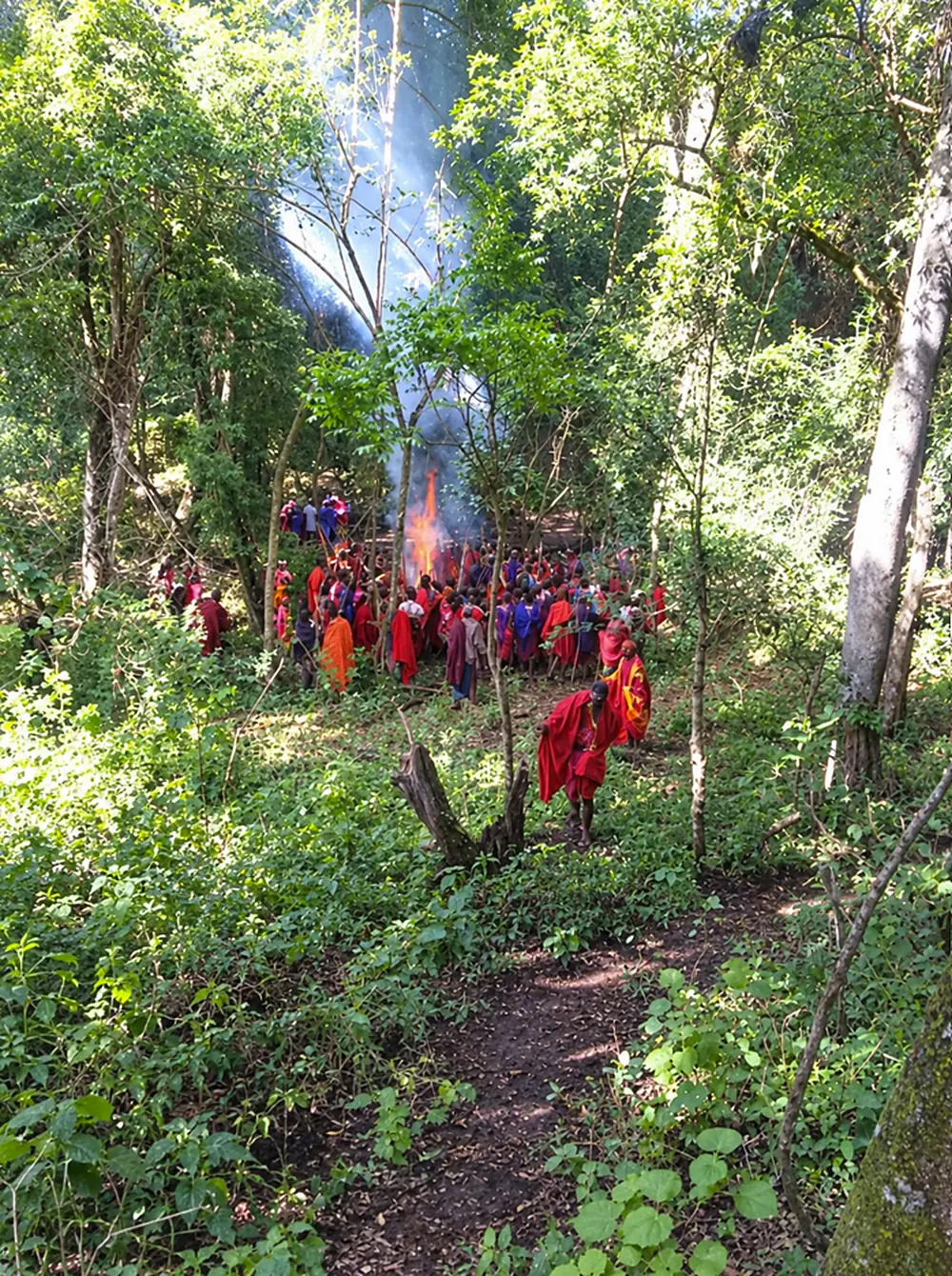
The Loita Maasai have conserved this forest for generations. Lasting conservation builds on that, with the community making the decisions.
Why local participation matters
The people who live beside the forest see changes first, bear most of the cost of living with elephants and hold the institutions that set forest rules. Conservation that sidelines them tends to fail; conservation they lead tends to last.
We treat the community as an active participant in every decision, not as the audience for decisions made elsewhere.
What the community brings, and needs
Traditional knowledge
Customary rules on when and where grazing, harvesting and access are allowed have kept much of the forest intact. That knowledge is a conservation asset in its own right.
Livelihoods and wellbeing
Healthy forest means reliable water, dry-season grazing and medicinal plants. Protecting it has to work for household needs, not against them.
Young people
The next generation will inherit both the forest and its pressures. Education and opportunity help them see a future in stewardship.
Women’s Leadership and Inclusion in Loita
Loita Elephant Project (LEP) is committed to creating space for women’s perspectives, participation, and leadership in conservation, ensuring their voices are included with informed consent and represented accurately.
The Loita landscape has a unique cultural context where women were allocated land alongside other community members. This differs from many other Maasai communities, where women may face barriers to land ownership unless they purchase or inherit land. LEP seeks to recognize this distinctive experience and promote women’s meaningful participation in decisions affecting land, wildlife, forests, and community livelihoods.

Clear roles, shared goals
- Community institutions
- Set priorities and the rules for forest use.
- Researchers
- Provide evidence and share findings back in accessible form.
- Public agencies
- Carry statutory responsibilities for wildlife and forests.
- Conservation partners
- Bring skills and resources where the community asks for them.
In their own words
We are gathering interviews and profiles from people across Loita. Every quotation will be published with the speaker's consent and in their own words.