About Loita Elephant Project
Conservation begins with understanding a place and the people connected to it. Ours begins in the Loita Hills, where elephants, forest and community have shared one landscape for generations.
A community-based organisation protecting Loita's elephants and forest
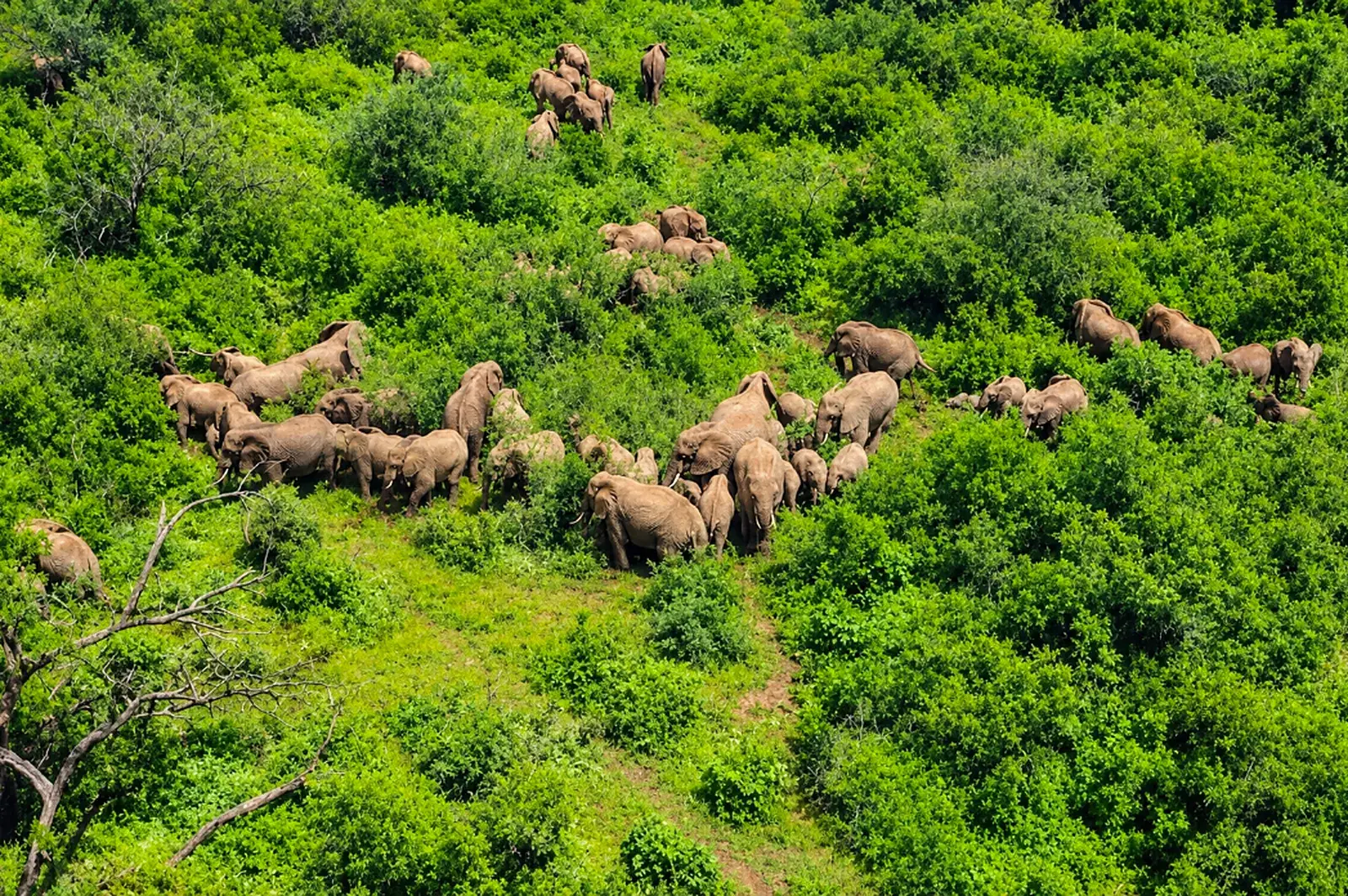
Loita Elephant Project is a community-based organisation (CBO) based in Morijo, Loita, in Narok County, Kenya. Led from within the Loita Maasai community, we protect the elephants of Loita Forest and the indigenous forest they depend on through wildlife monitoring, forest conservation and restoration, the protection of habitat and wildlife corridors, the prevention of human–elephant conflict, and conservation education, working alongside elders, landowners, the Kenya Wildlife Service and conservation partners so that people, elephants and forest can thrive together.
Loita Forest, known to the Loita Maasai as Entim e Naimina Enkiyio, the forest of the lost child, is one of the most important indigenous forests in the region. It holds and releases water for the surrounding hills and plains, offers refuge to elephants in the dry season, links wildlife areas, and is a sacred landscape that has been governed by customary law rather than fences.
We believe that protecting it means protecting all three together: the elephants, the habitat and the community's ability to care for its own forest. That is the idea behind everything we do.
Loita at a glance
- Forest area
- ~33,000 ha
- Indigenous forest on the Loita Hills, Narok County
- Elephants
- ~440
- Estimated elephant population of Loita Forest
- People
- ~20,000
- Loita Maasai living around the forest
- Protection status
- Community-held
- Governed by customary law, outside the national protected-area system
Sources: forest area from Mbuvi & Kungu (2021), Heliyon; people from WWF-Kenya, Elephants: Your Field Report, Issue 11; elephant estimate from Loita Elephant Project. Figures are estimates, not live counts. See Research & learning.

What we are working towards
Our vision
A Loita where elephants move freely through a healthy, unbroken forest, and where the community that has guarded it for generations thrives alongside them, with the rights, knowledge and means to decide the forest's future.
Our mission
To protect the elephants of Loita and the forest they depend on, by strengthening community stewardship, reducing conflict between people and elephants, grounding decisions in sound evidence and building responsible partnerships.
A forest under growing pressure
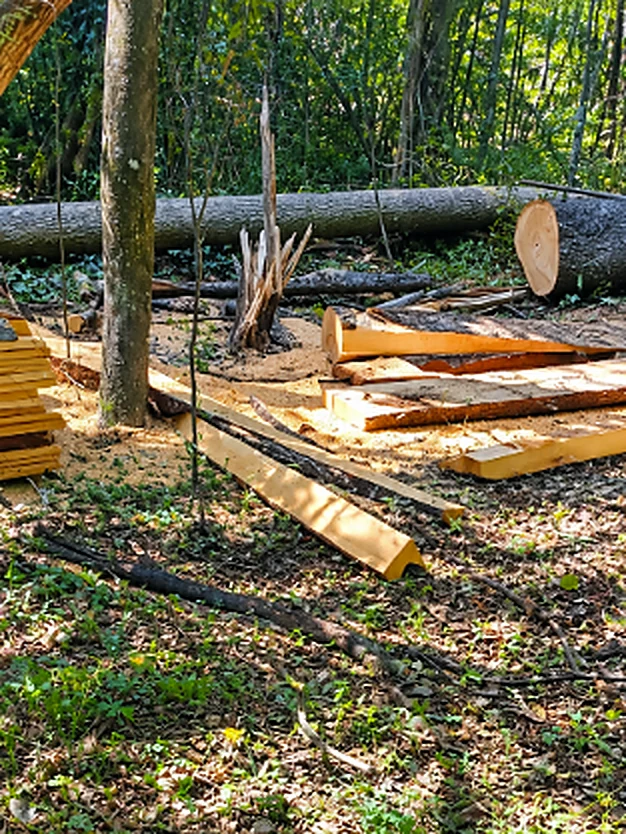
Researchers trace noticeable degradation in Loita Forest to around the end of the 1990s. Commercial logging, emerging charcoal production, the spread of farms and settlement, and the fencing of large tracts by individuals are all wearing away at the forest's edges and interior.
For elephants, this means less food and cover, blocked movement routes and more encounters with people and their crops. For the community, it means less reliable water and grazing, and strain on the institutions that have long set the rules for forest use.
Because the forest sits outside the national protected-area system, its future depends on the choices of the people who live beside it, and on the support they can draw on. We exist to be part of that support.
Six areas of work
Each one links to the elephants, the forest or the community, and most link to all three.
- Wildlife Protection and MonitoringKeeping elephants safe from poaching and retaliation, through prompt reporting and community vigilance.
- Forest Conservation and RestorationDocumenting damage, supporting community forest rules and backing restoration the community chooses.
- Human–Elephant CoexistencePractical, locally appropriate ways to prevent crop raiding and respond fairly when conflict happens.
- Habitat and Wildlife Corridor ProtectionKeeping forest habitats and wildlife corridors connected, so elephants and other wildlife can move safely across the landscape.
- Education and Conservation AwarenessSharing reliable knowledge about Loita, and helping young people find a future in stewardship.
- Community Collaboration and LeadershipBringing proposals to community forums first, and reporting back on what was done.
What we hold ourselves to
- Respect for local knowledge
- The Loita Maasai have managed this forest for generations through customary institutions. Their knowledge of the land, its seasons and its wildlife comes first, not last.
- Community consent
- Nothing that affects the forest or its people goes ahead without the free, prior and informed agreement of the community.
- Evidence-based conservation
- We act on careful monitoring and published research, and we say plainly when the evidence is incomplete.
- Transparency
- We report what we do, what it costs and what has changed, including when things do not go to plan.
- Collaboration
- No single organisation can protect a forest. We work with community institutions, researchers, conservation partners and the relevant authorities.
- Accountability
- We answer to the community, to our supporters and to the wildlife we work for. Anyone can ask us how we work and what we have achieved.
- Do no harm
- We never publish the locations of elephants or details of protection work, and we share people's stories and images only with their consent.
The beginning of a new age set
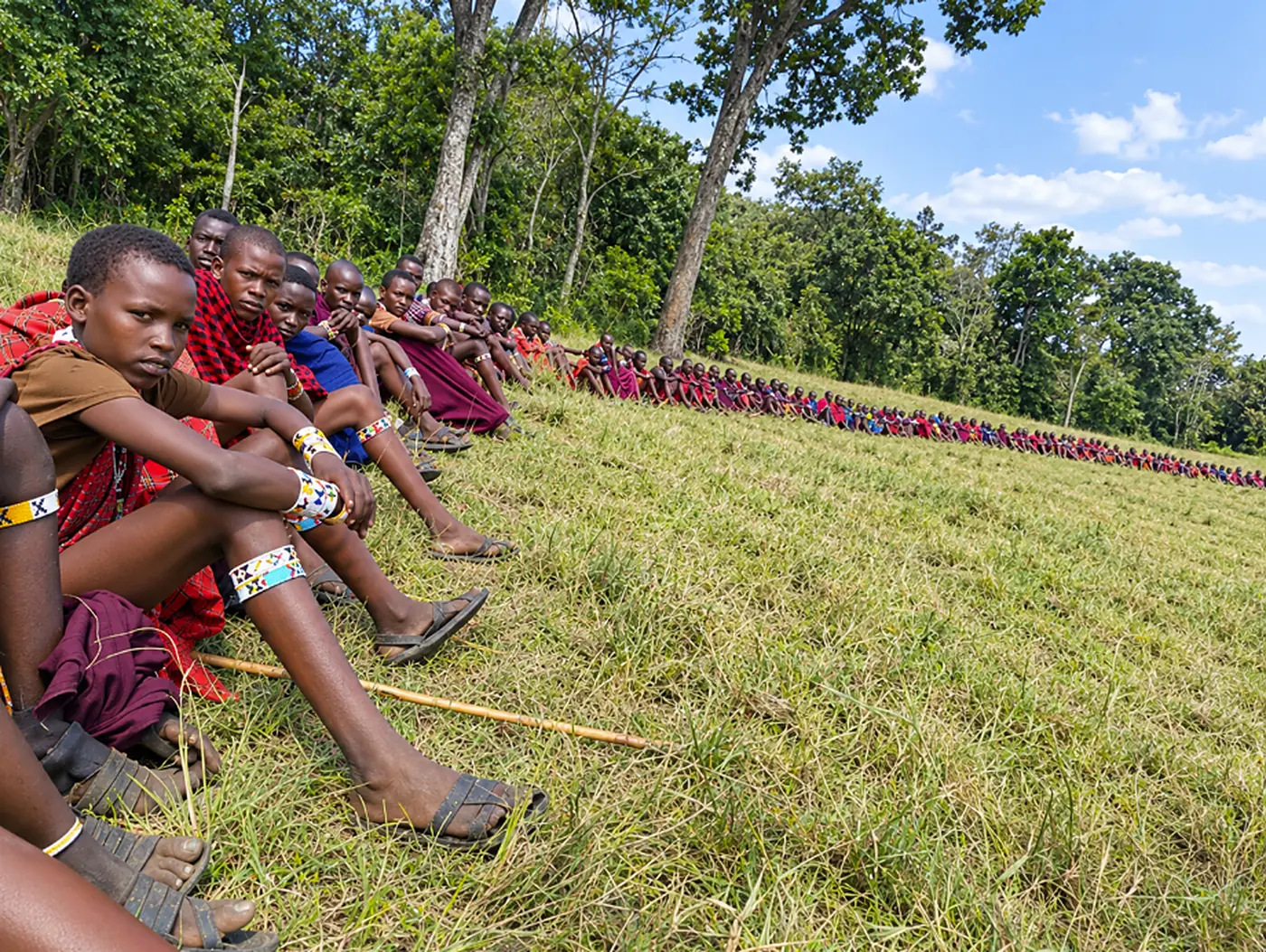
Every generation of the Loita Maasai is bound together by an age set, and every age set begins with a gathering like this one.
When the elders decide the time has come, boys from across Loita come together for Enkipaata, the ceremony that opens a new age set. Guided by the elders and blessed by the Oloibon, they sit side by side as equals. From that day they share a name, a set of duties and a bond for life, moving together from boyhood to warriorhood and, in time, to elderhood.
The age set is also how the community passes on what it knows. Each generation learns from the one before: how to care for cattle and land, which places and trees are sacred, and how to share the forest with wildlife.
- Knowledge passed on. Lessons about the forest, water and wildlife move from elders to each new age set.
- Shared responsibility. Age mates act together, a strength for protecting land, livestock and the forest.
- Tomorrow's leaders. The boys in this picture will one day be the elders who decide the forest's future.
That is why we work with the community's own institutions rather than around them, and share our work with every new generation.
How community conservation worksWhat you can expect from us
To the community
Decisions made with you, not about you. Benefits and costs of conservation shared fairly. Your stories told only with your consent.
To supporters
Honest reporting with dated, evidence-backed results. A clear account of how funds are used. An answer to every question you ask.
To the elephants and forest
Action guided by evidence and long-term thinking, and information that protects rather than exposes the wildlife we work for.
Our partners
Protecting Loita takes more than one organisation. We are proud to work alongside these partners.
-

Kenya Wildlife Service
The national agency responsible for conserving and managing Kenya's wildlife, including the protection of elephants.
Visit kws.go.ke (opens in a new tab) -

Golden Oriole Adventures Ltd
Golden Oriole Adventures Ltd seeks to partner with walking safari operators and local communities to offer authentic nature and cultural experiences in Kenya. Together, we aim to promote responsible tourism, support local livelihoods, encourage conservation, and create memorable experiences for travellers while celebrating Kenya’s wildlife, landscapes, and cultural heritage.
Visit goldenorioleadventures.com (opens in a new tab)